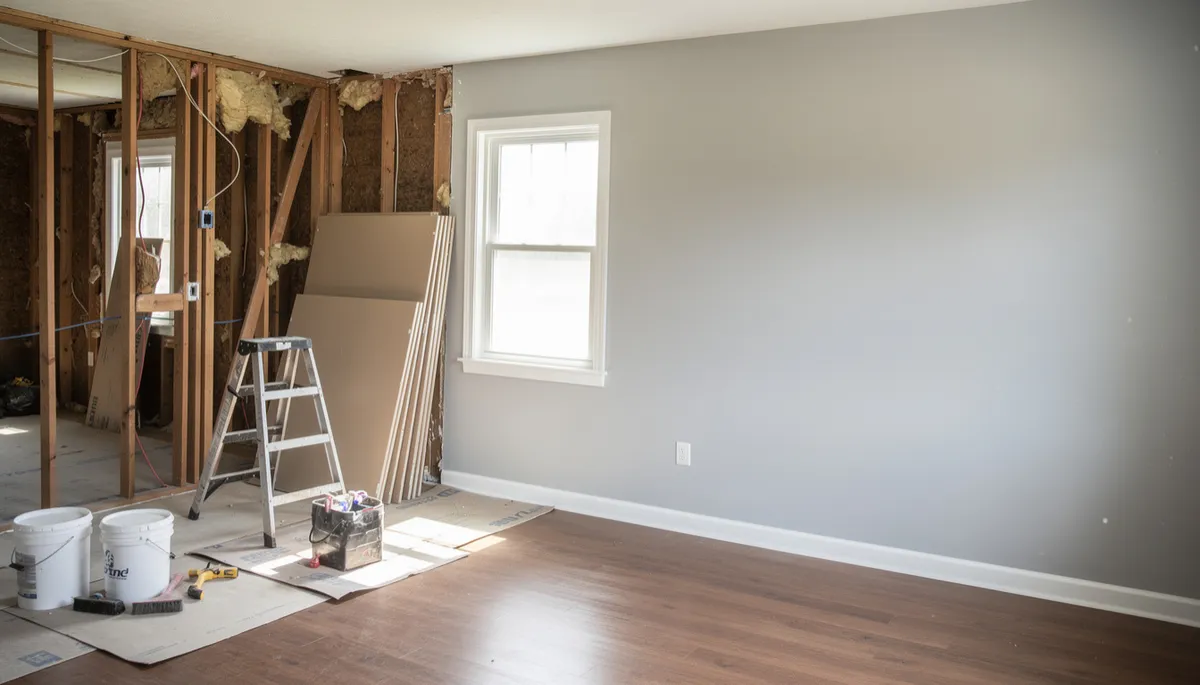
Should You Choose Reconstruction or Remodeling After Disaster?
When disaster strikes—whether it’s fire, flood, or a major storm—your home can end up with significant damage. Facing the aftermath, many homeowners in Yuma find themselves asking: should we rebuild exactly as before, or use this as a chance to remodel and improve? Knowing the difference between reconstruction and remodeling, and understanding which route fits your needs, can help you make the best decision for your home and your peace of mind.
What’s the Difference Between Reconstruction and Remodeling?
Reconstruction means restoring your home to its original state before the damage occurred. This might involve replacing structural elements, drywall, flooring, and fixtures to match what was there. Remodeling goes a step further—it’s about making changes, upgrades, or improvements to the original layout or features. For example, after fire or water damage, you might decide to update your kitchen layout or add energy-efficient windows during the repair process.
How Do I Know if I Need Reconstruction or Remodeling?
The extent and type of damage often drives this choice. If your insurance policy covers a full rebuild to pre-loss condition, reconstruction may be the straightforward option. But if you’ve been thinking about changes—a bigger bathroom, an open floor plan, or modernized finishes—disaster recovery can be a practical time to remodel. Consider factors like:
- How much of your home was affected (single room vs. whole house)
- Your budget beyond what insurance covers
- Whether your needs or family size have changed
- Any long-standing frustrations with your home’s layout or features
Which Option is Faster?
Reconstruction usually follows a clear plan: replace what was lost, match the previous materials, and restore the home to its former state. This path is often faster, especially if you’re working closely with your insurance company. Remodeling can take longer, particularly if you’re making structural changes, updating plumbing or electrical, or choosing new finishes. Each added step—like moving walls or custom cabinetry—adds time to the project. If speed is your top priority, reconstruction may be the way to go.
Will Insurance Cover Remodeling?
Most insurance policies pay to restore your home to its pre-loss condition, not to upgrade or change it. If you want to remodel, you’ll typically need to pay for the difference between standard reconstruction and the upgrades out of your own pocket. For example, if you want to change a closed kitchen to an open concept, insurance may cover the cost to restore the old kitchen, but you’d cover the rest. Always review your policy and talk to your adjuster before making plans.
What Should I Consider Before Deciding?
Here are a few key questions to ask yourself before moving ahead:
- What are my long-term plans for this home?
- Is this a chance to add value or improve livability?
- Have I wanted to update or expand anyway?
- What’s my realistic budget for upgrades beyond what insurance pays?
- Do I have time for a longer project if I remodel?
Talking with a local restoration contractor who understands both reconstruction and remodeling can help you weigh your options in the context of Yuma’s climate and building codes.
How Does the Process Work for Each?
If you choose reconstruction, the process usually follows these steps:
- Assessment and documentation of damage
- Removal of debris, water, or hazardous materials like asbestos or mold
- Structural repairs—framing, roofing, drywall, flooring
- Restoration of finishes—paint, fixtures, cabinetry
- Final inspection and move-in
Remodeling after a disaster includes all the above, plus design and planning for your new features, securing additional permits, and shopping for new materials. You’ll work more closely with designers or architects, and there may be extra steps for custom changes.
Frequently Asked Questions
Can I live in my home during restoration work?
This depends on the extent of the damage and which rooms are affected. Minor water damage or small-scale repairs may allow you to stay, but larger reconstruction or remodeling often requires you to move out for safety and efficiency. Your contractor can help you decide what’s possible in your situation.
Is mold or asbestos removal included in both reconstruction and remodeling?
Yes, addressing hazards like mold, asbestos, or bio-contamination is a necessary first step in either process. Safe removal is required before any rebuilding or updates begin, especially in older homes or after water damage.
How do I choose the right contractor?
Look for a restoration contractor with experience handling both insurance claims and remodeling projects. Ask about their process for working with adjusters, and make sure they’re familiar with Yuma’s building codes and climate challenges. A good contractor will walk you through your options and help you make informed decisions.
What if I change my mind mid-project?
Changing plans after work begins is possible, but it often adds to the time and cost. It’s best to make decisions about reconstruction versus remodeling before materials are ordered or construction starts. Communicate openly with your contractor if you’re considering a change.
If you’re facing repairs after fire, water, or storm damage in Yuma, take the time to weigh your options between reconstruction and remodeling. A local restoration professional can guide you through the process, answer your questions, and help you restore your home the way that’s right for you. Reach out to Mint Restoration to discuss your needs and get started on your path back to normal.
