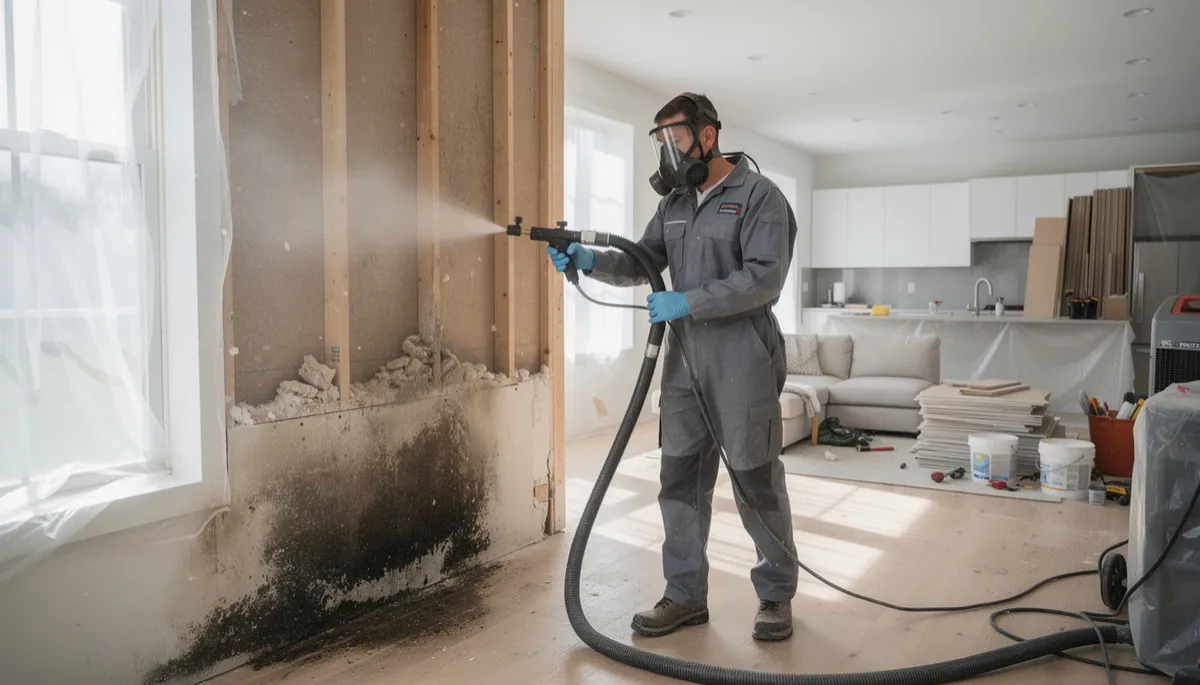
Comparing Mold Removal Methods for Your Home: What Works Best?
Mold is a common problem in homes, especially after water leaks or flooding. If you’ve found mold in your house, you might be wondering about the best way to get rid of it. There are several methods out there, each with its own benefits and drawbacks. In this post, we’ll break down the most common mold removal approaches, so you can make an informed decision about what’s right for your situation.
What are the main approaches to mold removal?
There are a few primary methods for getting rid of mold in residential settings. Most homeowners will encounter one or more of the following:
- Physical removal (manual cleaning): Scrubbing mold off hard surfaces with brushes, detergents, or antimicrobial cleaners.
- Chemical treatments: Applying fungicides or specialized mold-killing solutions to contaminated areas.
- Dry ice blasting: Using pressurized dry ice pellets to remove mold from surfaces, often in attics or crawl spaces.
- Encapsulation: Sealing affected surfaces with a special coating to prevent mold from growing back.
- Removal and replacement: Taking out and replacing materials that can’t be cleaned, like drywall, carpet, or insulation.
When is scrubbing or manual cleaning enough?
If the mold is limited to a small area on a non-porous surface—like tile, metal, or glass—manual cleaning with soap and water, or a mold-specific cleaner, can often do the trick. The key is to make sure the area gets fully dried after cleaning, since mold thrives in moisture. In Yuma’s dry climate, this is often an advantage, but leaks or bursts can still cause tricky spots. For larger or more stubborn infestations, or if the mold has gotten into porous materials like drywall or wood, manual cleaning alone usually isn’t enough.
Are chemical treatments safe and effective?
Chemical treatments can be effective for killing surface mold and sanitizing affected areas. Products range from store-bought mold removers to professional-grade biocides. It’s important to follow directions carefully, ventilate the area, and use proper safety gear. Chemical treatments usually work best as part of a larger remediation plan, not as a stand-alone solution, since they don’t remove dead mold or address the underlying moisture problem.
What is dry ice blasting, and when is it used?
Dry ice blasting is a professional technique that uses compressed air to shoot dry ice pellets at moldy surfaces. The rapid freezing and expansion help loosen and remove mold without adding moisture. This method is especially useful in attics, crawl spaces, or on wood framing where scrubbing would be difficult. It’s fast and doesn’t leave chemical residue, but it requires special equipment and trained operators.
Is encapsulation a long-term solution?
Encapsulation involves applying a sealant over surfaces that have been cleaned of mold. The coating locks in any remaining spores and creates a barrier against future growth. This can be a practical option when complete removal of moldy material isn’t possible, especially on structural wood. However, encapsulation won’t fix a moisture problem—if the underlying issue isn’t addressed, mold can come back.
When do materials need to be removed and replaced?
If mold has penetrated porous materials like drywall, carpet, insulation, or ceiling tiles, the safest approach is usually to remove and replace those materials. Cleaning can’t always reach mold that’s grown inside or behind surfaces. In these cases, professionals will carefully section off the area, remove the damaged material, and dispose of it properly to prevent spores from spreading to other parts of the home. This method is more disruptive, but it’s often necessary for thorough remediation after significant water damage or long-term mold growth.
Frequently Asked Questions
How do I know which mold removal method is right for my home?
The decision depends on the extent of the mold, the materials affected, and what caused the moisture in the first place. Small, surface-level growth on hard materials sometimes just needs cleaning, but anything widespread or inside walls likely requires professional help. In areas like Yuma, AZ, where dry conditions are typical, any persistent moisture should be investigated right away to avoid bigger problems.
Is it safe to stay in my house during mold remediation?
For minor mold removal, it’s usually safe as long as you avoid the affected area and follow safety precautions. For larger jobs, especially when demolition or chemicals are involved, it may be safest to stay elsewhere until the work is done and the area is cleared for use.
Can I prevent mold from coming back after it’s removed?
The key to keeping mold away is controlling moisture. Fix leaks promptly, keep humidity low, and make sure any previous water damage is fully dried out. After remediation, it’s a good idea to monitor the area for any new signs of mold.
Do I need to hire a professional for mold removal?
Small spots on hard surfaces can sometimes be handled by homeowners, but larger or hidden infestations should be addressed by professionals. Proper containment, removal, and cleanup require the right skills and equipment to ensure the mold doesn’t spread or return.
If you’re dealing with mold in your home and want clear guidance on the best removal method, reach out to Mint Restoration. Our team serves homeowners throughout the Yuma area and can help you restore your space safely and thoroughly.
