How Do Fire and Smoke Damage Repair Methods Compare?
After a house fire, it’s common to feel overwhelmed by the damage and the clean-up ahead. Homeowners in Yuma, AZ, often ask about the best way to tackle fire and smoke damage, and how different repair methods stack up. Understanding the techniques that restoration pros use can help you know what to expect, make informed decisions, and get your home back to normal safely and efficiently.
What’s the First Step After Fire and Smoke Damage?
The first thing professionals do is assess the extent of fire, smoke, and even water damage (from firefighting efforts). This inspection determines which parts of the property are salvageable and what needs replacement. Restoration teams look for structural damage, inspect for lingering smoke odor, and check if soot has spread into hidden areas like ductwork or behind walls. Immediate action is crucial to prevent further harm, especially from water and acidic soot residues that can keep damaging surfaces long after the fire is out.
How Do Pros Remove Soot from Different Surfaces?
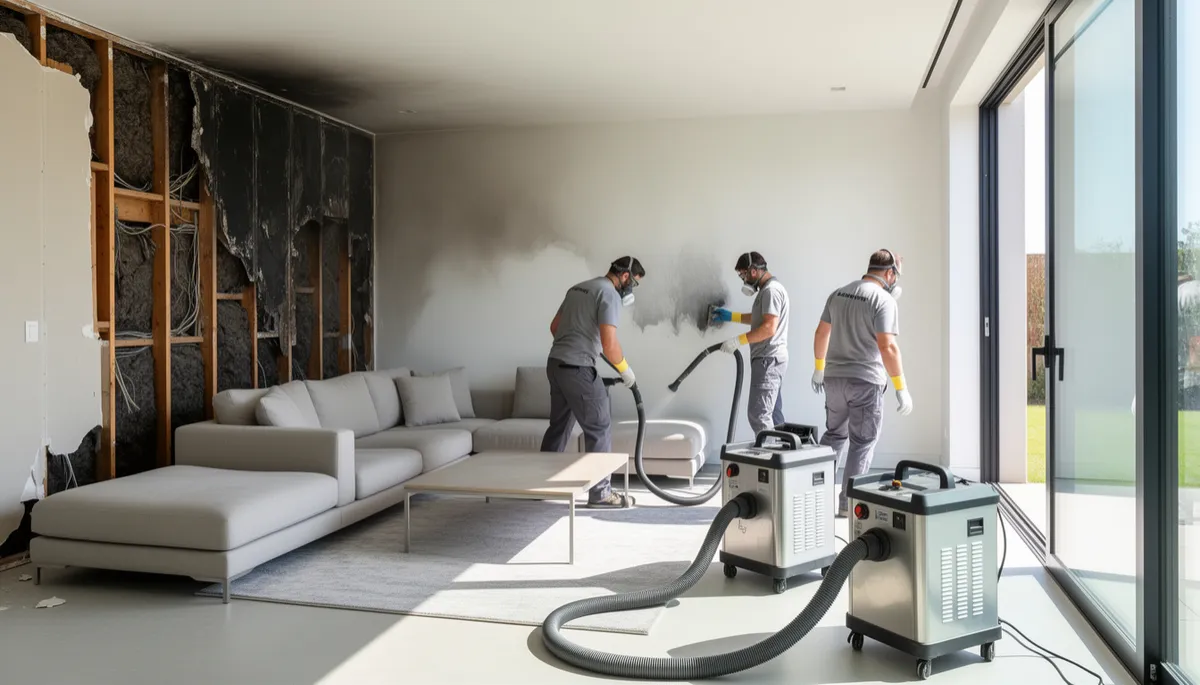
Soot removal isn’t one-size-fits-all. For hard surfaces like walls, ceilings, and tile, technicians often use dry sponges or HEPA vacuums to lift loose soot without smearing it. For stubborn residue, special chemical sponges or alkaline cleaners break down the soot. For softer surfaces—carpets, upholstery, and drapes—professional cleaning involves deep extraction, deodorizing treatments, and sometimes off-site cleaning if the damage is severe. The choice of method depends on the material, the type of fire (grease, electrical, etc.), and how long the soot has been sitting.
How Is Smoke Odor Removed from a Home?
Smoke odors are persistent and can linger in walls, floors, and personal belongings. Restoration teams use several techniques to tackle odors. One of the most common is thermal fogging, where a deodorizing fog penetrates the same paths as the smoke did. Another method is ozone treatment, which uses ozone generators to chemically break down odor molecules. Air scrubbers with HEPA filters are also used to clean particulates from the air. Sometimes, sealing surfaces with special primers is necessary if odors have penetrated deeply and cleaning alone isn’t enough.
What’s Different About Fire Damage vs. Smoke Damage Repair?
Fire damage typically means physical destruction—charred framing, melted wiring, damaged drywall, and sometimes compromised structural supports. Repairing fire damage often involves demolition, debris removal, and rebuilding. Smoke damage, on the other hand, is more about contamination—soot, chemical residues, and lingering odors that can affect parts of the home untouched by flames. Smoke cleaning is more about specialized cleaning, deodorizing, and restoring salvageable materials. Both types of damage often overlap, so a thorough approach is needed to address everything from burnt framing to hidden odors.
When Is It Necessary to Replace Instead of Restore?
Some items and materials are simply too damaged to save. For example, insulation, drywall, ceiling tiles, and carpeting that have absorbed heavy smoke or water usually need to be removed and replaced. Structural elements like studs or joists are replaced if they’ve lost their strength due to charring. Porous materials that trap odors or toxins, such as mattresses or certain fabrics, are also commonly discarded. On the other hand, items like tile, metal fixtures, and certain hardwoods can often be cleaned and restored. The decision comes down to safety, cost, and the likelihood of fully removing contaminants.
Are There Risks If Fire and Smoke Damage Aren’t Properly Addressed?
Yes, leaving residues or hidden damage can create long-term problems. Soot is acidic and can continue to corrode metals or stain surfaces if not removed quickly. Smoke odors can linger for years, making homes uncomfortable to live in. Mold and mildew are common after water is used to fight a fire, so thorough drying and mold remediation are important. There’s also the risk of structural issues if fire-damaged framing or supports aren’t properly repaired. That’s why professional assessment and restoration are so important after a fire event.
Frequently Asked Questions
How long does fire and smoke damage restoration usually take?
The timeline depends on the extent of the damage. Minor smoke cleaning might take a few days, while major repairs and reconstruction can take several weeks. The process includes drying, cleaning, odor removal, and rebuilding as needed.
Can I clean up smoke and soot myself?
Small, light soot on a non-porous surface can sometimes be wiped away, but most fire and smoke damage is best handled by professionals. Improper cleaning can make stains permanent or spread contaminants further into the home.
Is it safe to stay in my home after a fire?
If there’s significant smoke or fire damage, or if air quality is poor, it’s usually safer to stay elsewhere until restoration is complete. Restoration teams in Yuma, AZ, will advise you based on the specifics of your home.
What about personal belongings—can they be saved?
Many items can be cleaned and restored, especially hard goods and some textiles. Restoration companies often offer packout services to clean, deodorize, and store items off-site during the restoration process.
If you’ve experienced fire or smoke damage in your Yuma home, don’t hesitate to reach out to a local restoration expert. A thorough, professional approach can help you recover faster and ensure your home is truly safe and comfortable once again.
