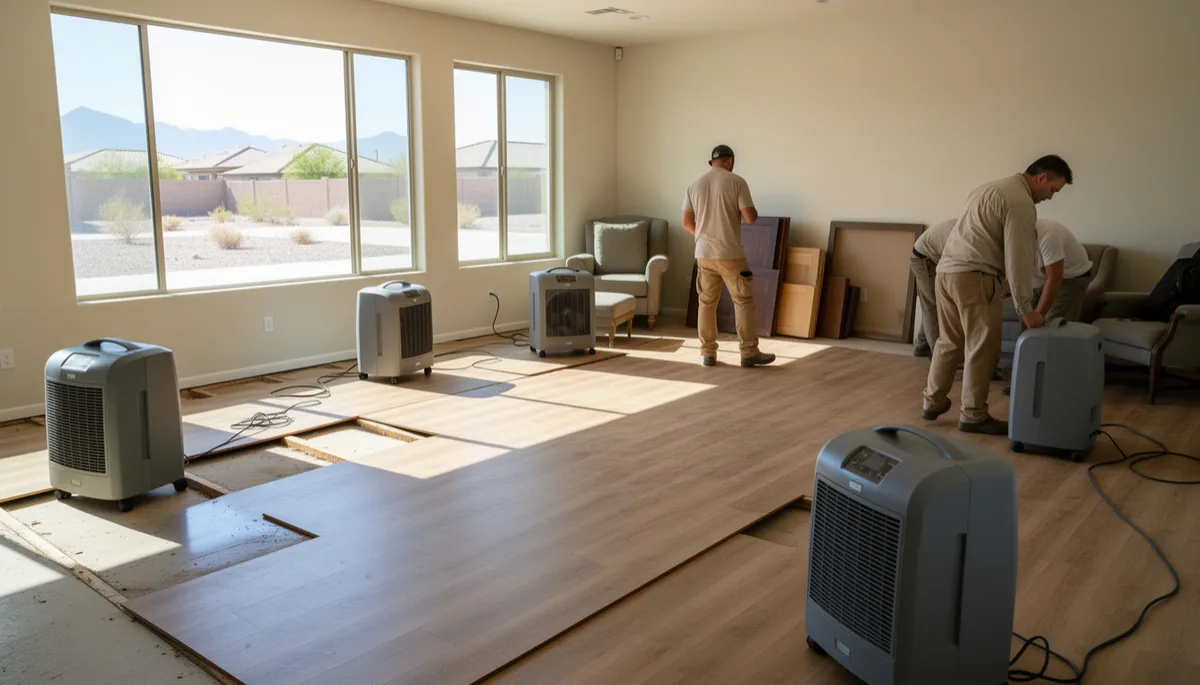
DIY Tips to Prevent Mold After Flooding: A Homeowner’s Guide
Flooding can happen unexpectedly, especially during monsoon season in Yuma. As a homeowner, one of your biggest concerns after water intrusion is the risk of mold. Mold can take hold fast—sometimes in as little as 24 to 48 hours. Stopping it early saves you time, money, and headaches. Here are practical, step-by-step tips to help prevent mold growth after flooding in your home.
How Soon Should I Start Drying Out My Home After a Flood?
Time is not on your side when it comes to mold. The sooner you can start drying things out, the better. Mold spores are always present in the air, and all they need is moisture and some organic material (like wood, drywall, or carpet) to start growing. If you can safely enter your home, begin removing standing water right away. Use buckets, mops, or a wet/dry vacuum if you have one. Open all doors and windows to get air moving, which helps speed up evaporation.
What Areas Should I Focus On First?
Start where water sits the longest or soaks in the deepest. Basements, crawlspaces, and low-lying rooms are usually the hardest hit. Pay close attention to:
- Carpets and padding (these soak up water fast)
- Drywall and baseboards (cut out wet drywall if it’s soft or swollen)
- Insulation behind walls
- Wood flooring and subfloors
- Cabinets and built-ins, especially underneath
Remove anything wet that you can’t dry out quickly—like area rugs, wet boxes, or soaked furniture.
How Can I Properly Dry Out My Home?
Getting rid of moisture is the single most important step. Here’s what you can do:
- Use fans to circulate air. The more airflow, the better.
- Rent or borrow a dehumidifier if possible. These pull moisture from the air and speed up the drying process.
- Remove baseboards and drill small holes near the floor if drywall is wet. This helps the wall cavity dry out.
- Lift carpet and remove the padding underneath—it’s almost impossible to dry thoroughly.
- Check hidden spaces like closets, under stairs, and inside cabinets.
It can take several days for everything to dry completely—don’t rush to put things back together until you’re sure.
Should I Clean and Disinfect After Flooding?
Absolutely. Floodwater often contains bacteria and other contaminants. Once the area is dry, clean all hard surfaces with soap and water first, then disinfect with a solution like diluted bleach (1 cup bleach in 1 gallon of water). Never mix bleach with ammonia or other cleaners. For porous materials like drywall or insulation, if they’ve been wet for more than a day or two, it’s safer to remove and replace them.
What Items Should I Toss, and What Can I Salvage?
Some things just can’t be saved after a flood, and holding on to them can invite mold and bacteria. Here’s a quick rundown:
- Toss: Soaked mattresses, pillows, upholstered furniture, carpet padding, and anything that can’t be thoroughly cleaned and dried within 48 hours.
- Salvage: Solid wood furniture (after cleaning and drying), hard-surface flooring, and washable clothing or linens.
If in doubt, it’s safer to let go of questionable items.
When Should I Call a Professional for Help?
DIY works for smaller, clean-water leaks if you catch them fast. But if floodwater was contaminated (like from a river or sewage backup), or if the area is larger than about 10 square feet, it’s time to bring in pros. Mold can hide behind walls, under floors, or in your HVAC system. Local restoration teams like Mint Restoration in Yuma have the tools and experience to handle serious mold threats and keep your home safe.
Frequently Asked Questions
How long does it take for mold to grow after a flood?
Mold can start growing in as little as 24 to 48 hours after water exposure, especially in warm and humid conditions common in Yuma. That’s why acting quickly is so important.
Can I use regular household fans to dry out my home?
Household fans help, but commercial air movers and dehumidifiers work much faster and more effectively. If you have a large area to dry or can rent equipment, it’s worth it.
Is it safe to clean up mold myself?
Small patches (less than 10 square feet) are generally safe if you wear gloves, goggles, and a mask. For bigger or hidden mold issues—or if you have health concerns—let professionals handle it.
What if I smell a musty odor but can’t see mold?
A musty smell is a sign mold may be growing out of sight, like behind walls or under floors. If you can’t locate or remove the source, call a restoration expert for an inspection.
If you’ve experienced flooding and want expert help to prevent mold, Mint Restoration is ready to assist homeowners throughout the Yuma area. Reach out to our team for a thorough assessment or hands-on help with cleanup and restoration.
