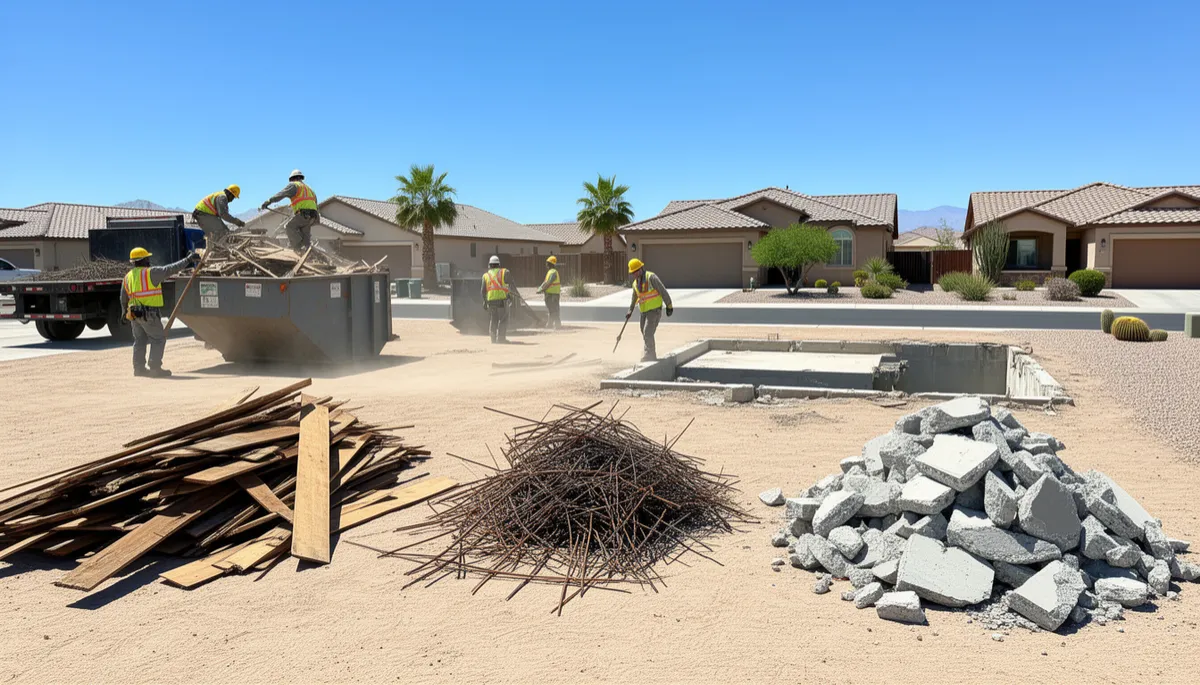
Effective Debris Removal After Home Demolition: A Homeowner’s Guide
When a home demolition wraps up, you’re often left with more than just an empty lot—there’s a mountain of debris to handle. Proper debris removal is an important step that sets the stage for whatever comes next, whether it’s a rebuild, a remodel, or restoring damaged property. If you’re facing this task in Yuma, AZ, here’s what you need to know about making debris removal efficient and safe.
What Debris Is Left After a Home Demolition?
After a home demolition, the site isn’t just covered in bricks and boards. You can expect to find a mix of materials, including:
- Wood framing and studs
- Drywall and plaster
- Roofing shingles or tiles
- Flooring materials like tile, carpet, or laminate
- Metal pipes and wiring
- Glass from windows and doors
- Concrete from foundations or patios
- Insulation and sometimes hazardous materials like asbestos or lead paint
Sorting this debris is necessary for safety, recycling, and following local Yuma regulations. Some materials can be salvaged or recycled, while others need careful disposal.
How Should Debris Be Sorted and Handled?
Sorting debris isn’t just about tidiness—it’s about safety and compliance. Here’s a practical approach:
- Separate Hazardous Materials: If there’s asbestos, lead, or mold-contaminated materials, these must be handled by certified professionals. Never try to remove them yourself.
- Sort Recyclables: Metals, clean concrete, and some woods can often be recycled. Pile these separately.
- Bag Up Small Debris: Dust, insulation scraps, and small pieces should be bagged to prevent them from blowing around or causing dust problems.
- Remove Large Items: Doors, windows, and larger fixtures can be set aside for salvage or donation if they’re in good shape.
Professional teams will often bring in dumpsters and heavy equipment, but even then, sorting at the source makes hauling and disposal more efficient and cost-effective.
What Equipment Is Needed for Debris Removal?
Depending on the size of your demolition, equipment needs can vary. For most residential jobs in Yuma:
- Roll-off Dumpsters: These are essential for hauling away large volumes of debris safely.
- Wheelbarrows and Dollies: Perfect for moving smaller items to the dumpster or curb.
- Protective Gear: Sturdy gloves, safety glasses, dust masks, and steel-toed boots keep everyone safe from sharp or hazardous material.
- Excavators or Skid Steers: For bigger jobs, these machines quickly load debris into dumpsters or trucks.
For hazardous materials, specialized containment and removal equipment is needed—this is strictly a job for trained crews.
Can Homeowners Handle Debris Removal Themselves?
Some small-scale cleanups can be handled by homeowners, especially if there are only a few materials like flooring, drywall, or lumber. But for full-scale demolitions, it’s best to call in professionals. Here’s why:
- Safety: Heavy debris, nails, and sharp objects can cause injury. Mold, asbestos, or lead need special handling.
- Local Regulations: Yuma and most Arizona municipalities have strict rules on construction debris disposal and recycling. Professionals know these rules inside out.
- Efficiency: The right crew gets the job done quickly, so you’re not left with a mess or extra costs from improper dumping.
Even if you want to pitch in, let the pros handle hazardous items, large-scale hauling, and final site cleanup.
What Happens to Debris After Removal?
Debris doesn’t just disappear after it’s hauled away. Here’s what typically happens:
- Sorting Centers: Loads are sorted for recycling, salvage, or landfill disposal. Concrete, metal, and clean wood often get recycled.
- Hazardous Disposal: Asbestos, mold, and contaminated materials go to facilities equipped to handle them safely.
- Landfill: Remaining non-recyclable debris is disposed of in accordance with local landfill regulations.
This process helps reduce environmental impact and keeps Yuma’s neighborhoods safe and clean. Responsible debris removal companies make sure nothing is left behind that could cause harm later.
How Long Does Debris Removal Take?
The timeline depends on the demolition size and what’s left on site. A typical single-family home in Yuma might take anywhere from a day to several days for complete debris removal, assuming everything is ready to go. Large projects, lots with access issues, or jobs requiring hazardous material remediation can add a few more days. The key is preparation—having dumpsters staged, clear access, and a plan for sorting means less time and fewer headaches.
Frequently Asked Questions
Do I need permits for debris removal in Yuma?
In many cases, yes. The city may require permits for hauling and disposing of demolition debris, especially if hazardous materials are involved. Professional crews handle this as part of the job, so you won’t need to worry about paperwork or compliance.
Can I keep or salvage any materials from my demolished home?
Absolutely. Items like doors, windows, fixtures, and even bricks or lumber can often be salvaged or donated. Talk to your contractor before demolition starts if you have specific items you want to keep.
How do I know if there’s asbestos or lead in my debris?
Homes built before the 1980s in Yuma are more likely to contain asbestos or lead-based paint. If you suspect these hazards, don’t disturb the debris. Instead, have a professional test and remove any suspect material safely.
What should I do about dust and airborne debris during cleanup?
Keep windows and doors closed, and use water to dampen dusty piles before moving them. Professionals use dust suppression techniques to keep the surrounding area safe, especially in windy desert climates like Yuma’s.
If you’re planning a demolition or dealing with a property cleanup in Yuma or nearby areas, getting debris removed quickly and safely is critical. For peace of mind and a job done right, consider reaching out to a local restoration and debris removal professional. They’ll make sure your property is ready for whatever comes next.
