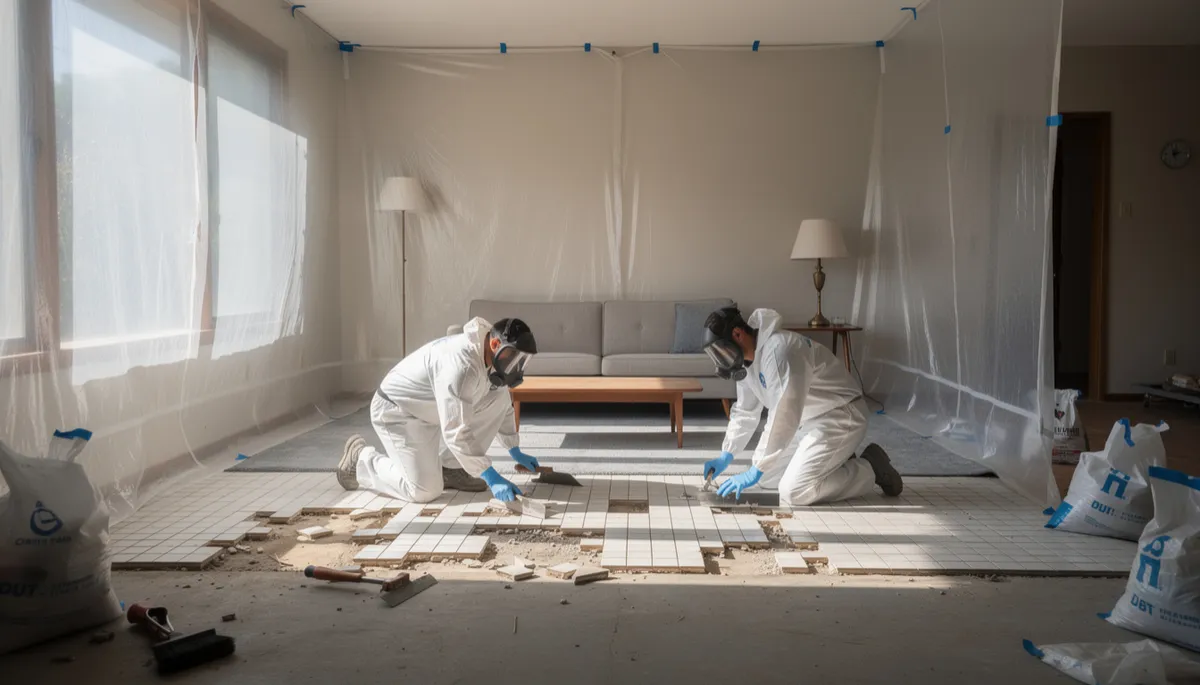
Safe Asbestos Removal During Home Renovation: A Homeowner’s Guide
Renovating an older home in the Yuma area can uncover many surprises, and one of the most serious is asbestos. If your house was built before the late 1980s, it may have asbestos-containing materials lurking in flooring, insulation, ceilings, or siding. Disturbing these materials without proper precautions can put your family’s health at risk. Here’s what every homeowner should know about safe asbestos removal during a renovation.
How Do I Know If My Home Has Asbestos?
Asbestos was commonly used in construction materials because it’s fire-resistant and durable. In homes built before the 1980s, you might find it in:
- Vinyl floor tiles and adhesive
- Popcorn ceilings and ceiling tiles
- Pipe and furnace insulation
- Roof shingles and siding
- Joint compounds and wall plasters
It’s nearly impossible to identify asbestos just by looking. If you’re planning a renovation and suspect any material might contain asbestos, don’t touch or disturb it. Professional testing is the only way to know for sure.
Why Is Asbestos Dangerous During Renovation?
Asbestos is most hazardous when its fibers become airborne, which can happen when materials are cut, sanded, or broken during renovation work. Inhaling these microscopic fibers can lead to serious health issues, including lung cancer, mesothelioma, and asbestosis. The risk increases if materials are dry, old, and brittle. That’s why handling asbestos is never a DIY job, especially in a renovation setting where dust and debris are common.
What Should I Do If I Suspect Asbestos Before Renovating?
If you think you’ve found asbestos in your home, stop work immediately. Do not try to remove, disturb, or even clean up dust in the area. Here’s what to do next:
- Isolate the area and keep people and pets away.
- Contact a licensed asbestos professional to inspect and test the material.
- Wait for test results before proceeding with any renovation or demolition work.
In the Yuma, AZ area, there are qualified restoration professionals who can handle the entire process, from safe testing to cleanup and repair.
How Is Asbestos Professionally Removed?
Professional asbestos removal follows strict safety protocols. Here’s what you can expect from a qualified team:
- Containment: The affected area is sealed off with plastic sheeting, and negative air pressure is used to keep fibers from spreading.
- PPE: Workers wear special respirators and disposable suits to protect themselves.
- Careful Removal: Materials are kept wet to prevent dust, then removed using hand tools.
- Proper Disposal: Asbestos waste is double-bagged, labeled, and transported to a hazardous waste facility.
- Final Cleaning: The area is thoroughly cleaned with HEPA vacuums. Air quality is tested before anyone re-enters.
This process protects not just the workers, but also your family and neighbors.
Can I Remove Asbestos Myself?
In most cases, asbestos removal is best left to professionals—especially for anything more than a very small area. DIY removal is risky and often illegal, as improper handling can contaminate your entire home and expose you to health hazards. The EPA and state regulations in Arizona require licensed professionals for most asbestos abatement work. Always check local laws and prioritize safety over cost.
What Happens After Asbestos Removal?
Once asbestos is safely removed, the restoration crew will test the area to make sure it’s clean and safe. After passing inspection, you can resume your renovation project. If the removal left behind damaged or missing materials, many restoration companies can also handle repairs, replacement, and even full reconstruction to get your home back in shape.
Frequently Asked Questions
How long does asbestos removal take?
The timeline depends on the size and complexity of the project. Small areas might take a day, while larger jobs could last several days. The process includes setup, removal, cleanup, and final air testing.
Is it safe to stay in my house during asbestos removal?
Usually, the work area will be sealed off, and you may be able to stay in other parts of the home. For larger projects, it’s sometimes safer to arrange temporary lodging. The removal team can advise you based on your specific situation.
Can new homes have asbestos?
It’s rare to find asbestos in homes built after the mid-1980s, as regulations phased out most uses. However, if new work used older stock materials or recycled components, there’s a small chance. When in doubt, test before you renovate.
What should I do with belongings in an affected room?
Keep the room closed off and wait for professional guidance. Restoration crews can pack out, clean, and store contents safely while work is underway, minimizing cross-contamination.
If you’re planning a renovation and have any concerns about asbestos in your Yuma-area home, it’s always safest to call a professional. Our team is experienced in safe asbestos removal, testing, and complete restoration. Reach out today to discuss your project and protect your family’s health.
