How to Protect Your Home From Future Flood Damage
Flooding can strike unexpectedly, leaving behind water damage, mold growth, and costly repairs. While you can’t control the weather, there are practical steps you can take to reduce the risk of flood damage in your home. Here in Yuma, AZ, where heavy rains and monsoon season can bring sudden downpours, a little preparation goes a long way. Let’s look at what you can do to protect your property from future floods.
What Areas of My Home Are Most Vulnerable to Flood Damage?
Understanding where water is likely to enter and cause problems is the first step in flood protection. Common trouble spots include basements, crawl spaces, ground-level rooms, and garages. Doors, windows, and foundation cracks are typical entry points. Outside, poorly graded landscaping and clogged gutters can direct water right toward your home. Pay close attention to areas where water has pooled before, as these are likely to be repeat offenders during the next big storm.
How Can I Improve Drainage Around My Home?
Proper drainage is key to keeping floodwater away from your home’s foundation. Walk around your property after a rainstorm and look for standing water or places where water flows toward the house. Consider these improvements:
- Gutter Cleaning: Keep gutters and downspouts clear of debris so they can channel water away efficiently.
- Downspout Extensions: Add extensions to route water at least 6 feet away from your foundation.
- Grading: Make sure the soil slopes away from your home. Even a gentle slope can make a difference.
- French Drains: If you have persistent water issues, a French drain system can help redirect groundwater away from your home.
What Steps Can I Take Inside to Minimize Flood Damage?
Even with good exterior drainage, water can sometimes find its way in. Protect your belongings and minimize damage with these tips:
- Elevate Electrical: Move electrical outlets, switches, and appliances above potential flood levels, especially in basements and ground floors.
- Seal Cracks: Use concrete sealant to fill any cracks in your foundation, walls, and floors.
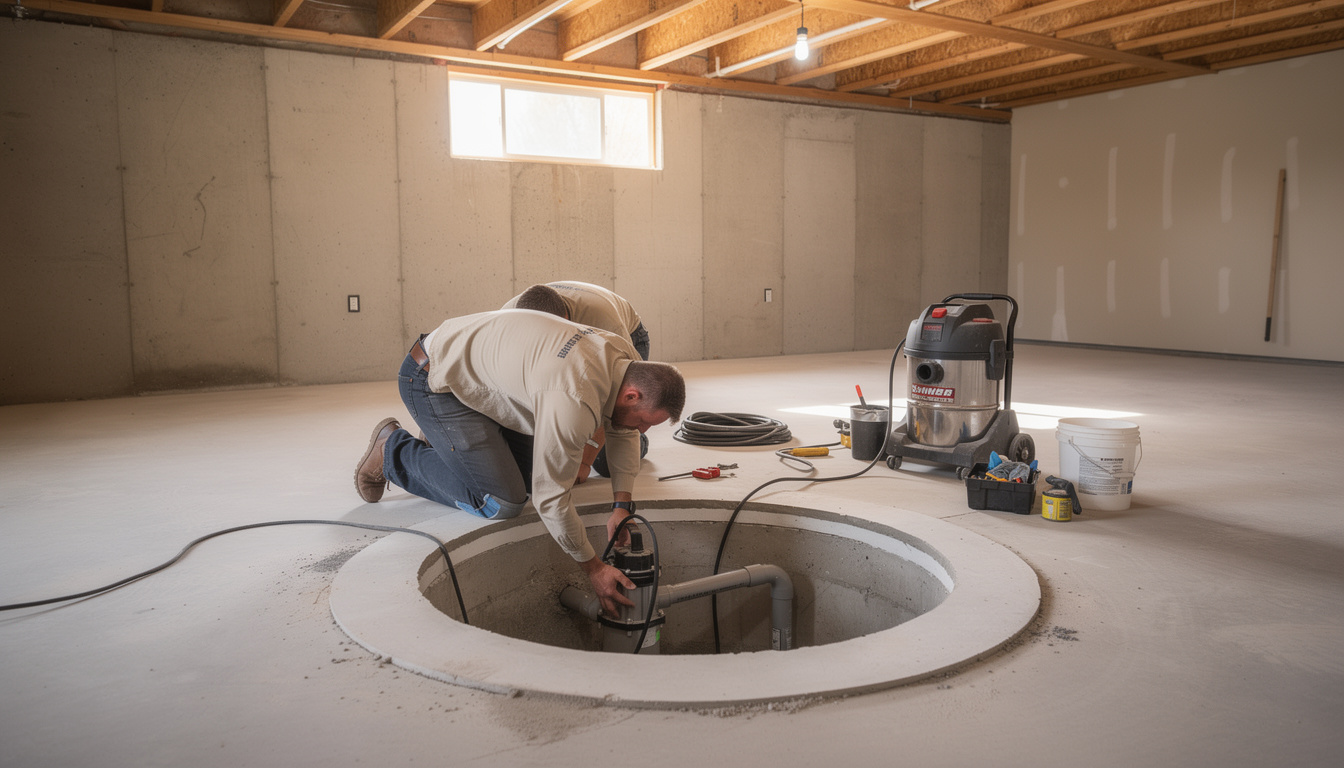
- Install a Sump Pump: A sump pump in your basement or crawl space can quickly remove water before it causes serious damage. Consider a battery backup in case power goes out during a storm.
- Store Valuables Off the Floor: Use shelves or storage racks to keep important items above ground level.
How Do I Prepare for Monsoon Season in Yuma?
Monsoon storms in Yuma can bring sudden, heavy rain that tests your home’s defenses. Before the season starts:
- Inspect your roof for missing shingles or leaks, and repair as needed.
- Trim trees and shrubs to prevent debris from clogging gutters or drains.
- Test your sump pump and backup power source.
- Clear yard drains, culverts, and any ditches on your property.
- Consider sandbags if your property has a history of flooding. Have them on hand before storms are forecasted.
Being proactive can help minimize the impact of sudden storms that are common in our part of Arizona.
Should I Consider Professional Waterproofing or Restoration Services?
Not all homes need major waterproofing, but some situations call for professional help. If you’ve had repeated flooding or water seepage, it may be time to consult a local restoration specialist. They can assess your property and recommend solutions such as basement waterproofing, sump system installation, or exterior drainage improvements. In cases of existing water or mold problems, professional remediation ensures the issue is fully resolved and won’t come back to haunt you later.
Frequently Asked Questions
How soon should I act after spotting flood damage?
It’s important to act quickly—water damage can lead to mold growth and structural problems in just a day or two. Start by removing standing water and drying out the area. For larger problems, call a restoration pro right away.
Does homeowners insurance cover flood damage?
Standard policies often don’t cover flood damage caused by natural events. Consider a separate flood insurance policy, especially if your home is in a flood-prone area. Check with your agent to understand your coverage.
What are the health risks of not addressing flood damage?
Standing water and lingering moisture can lead to mold growth, which may cause respiratory problems and other health issues. Contaminated water can also introduce bacteria and other hazards. Prompt cleanup is essential.
Can I prevent mold after minor flooding?
Yes—remove wet materials, run fans and dehumidifiers, and clean hard surfaces with disinfectant. Keep an eye on the area for a few weeks. If you see or smell mold, contact a remediation specialist.
If you’re concerned about flood risks or have experienced water damage, the team at Mint Restoration is here to help. We’re local to the Yuma, AZ area and understand the unique challenges our climate brings. Reach out for advice or service—we’re always ready to lend a hand when disaster strikes.
