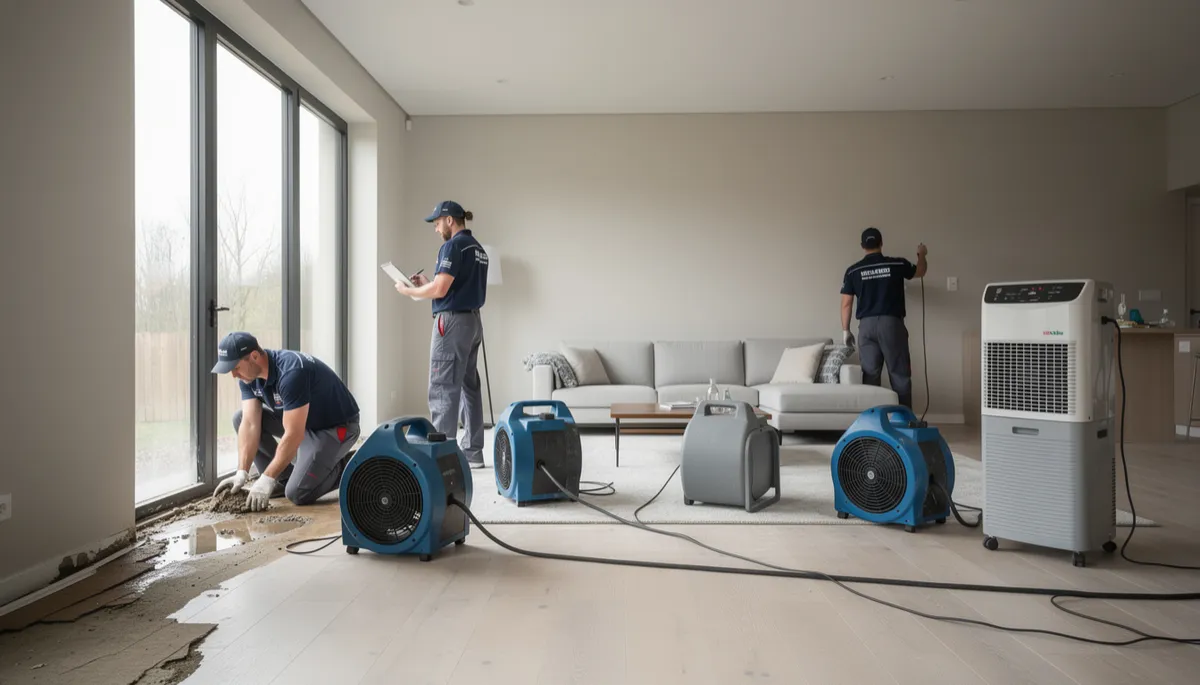
Seasonal Maintenance Tips to Prevent Water Damage at Home
Water damage is one of those problems that can sneak up on you if you're not paying attention, especially in a climate like Yuma, AZ. While big storms are an obvious threat, small leaks and overlooked maintenance can cause just as much trouble over time. The good news is that with a few simple seasonal habits, you can prevent most water damage before it even starts. Here’s what you need to know.
How Should I Inspect My Roof and Gutters Each Season?
Your roof and gutters are the first line of defense against water intrusion. In the fall, check for cracked or missing shingles and clean out gutters and downspouts. Even in dry climates, debris can build up and cause blockages, leading to water pooling and eventually leaking into your home. Don’t forget to look for signs of sagging, rust, or loose fasteners in gutter systems. In spring, check again after winter winds, as tiles or shingles may have shifted or come loose.
What Should I Look For Around Windows and Doors?
Windows and doors are common points for water to sneak in. At least twice a year, inspect the caulking and weatherstripping around all exterior doors and windows. If you see cracks or gaps, scrape out old caulk and apply a new bead. Make sure frames are solid and there’s no sign of swelling or warping, which could indicate hidden leaks. This is especially important after monsoon season here in Yuma.
Why Is It Important to Check Plumbing Fixtures Regularly?
Even a slow drip from a pipe or faucet can lead to significant water damage over time. Every season, take a walk through your home and check under sinks, behind toilets, and around your water heater. Look for signs of corrosion, moisture, or mold. If you see any damp spots or smell musty odors, it’s worth calling in a professional to investigate further. Tighten any loose fittings, and don’t ignore a running toilet—it adds up faster than you think.
How Can I Protect My Home’s Foundation From Water?
Water pooling around your foundation can cause cracks and long-term structural issues. Make sure the ground slopes away from your home so rainwater and runoff don’t collect by the walls. In Yuma, flash floods can happen quickly, so check that landscaping, patios, and walkways aren’t directing water toward your house. If you spot standing water after a rain, consider adding gravel or regrading the area. Also, inspect for visible cracks in the foundation and seal them with appropriate materials before they get worse.
What Steps Can I Take Inside During Each Season?
Beyond the exterior, there are a few things you should do inside your home as the seasons change. In spring and fall, check your washing machine hoses for bulges, cracks, or leaks. Replace them every five years, even if they look fine. Test your sump pump (if you have one) before the wet season starts to make sure it’s working properly. Don’t forget your HVAC system—condensation drains can get clogged and cause water to back up, so have them cleaned during your regular maintenance.
How Can I Prevent Water Damage in Unused or Vacant Areas?
Garages, basements, and storage rooms often get overlooked. Inspect these areas for signs of leaks, especially if you store boxes or valuables there. Make sure any exposed pipes are insulated against temperature changes, and avoid storing items directly on the floor. If you’re leaving your home for an extended period, shut off the main water supply and drain pipes to minimize risk.
Frequently Asked Questions
How often should I check for water leaks in my home?
It’s a good idea to do a thorough check at least once every season. This way, you’ll catch any developing problems before they become bigger issues. If your home has a history of leaks or water problems, consider checking monthly.
What are the early warning signs of water damage?
Watch for stains or discoloration on walls and ceilings, musty odors, peeling paint, bubbling drywall, or warped flooring. These signs often mean water is getting in where it shouldn’t.
Should I handle water damage repairs myself?
Minor issues like replacing caulk or tightening a loose fitting can be handled by most homeowners. But if you’re seeing structural damage, extensive mold, or suspect a hidden leak, it’s best to call in a restoration professional to assess and repair the problem thoroughly.
Is water damage common in Yuma, AZ?
While Yuma is known for its dry climate, seasonal storms and flash floods can still cause significant water damage. Even in dry areas, plumbing leaks and appliance failures are common sources of trouble.
Staying on top of seasonal maintenance is the best way to protect your Yuma home from water damage. If you spot any signs of trouble or want expert help with inspections, repairs, or restoration, reach out to Mint Restoration. We’re here to help keep your home dry and safe, season after season.
