How to Tell When Your Home Needs Professional Bio Cleanup
When a property faces a traumatic event, unattended death, hoarding, sewage backup, or hazardous contamination, standard cleaning methods just aren’t enough. Bio cleanup goes far beyond routine housekeeping, addressing dangerous substances and ensuring your home is truly safe. If you’re unsure whether a situation in your home warrants professional attention, here are key signs to watch for.
What Are Common Situations That Require Bio Cleanup?
Bio cleanup, or biohazard remediation, deals with substances that pose health risks. Common scenarios include:
- Unattended deaths or trauma scenes
- Sewage backups or severe water damage
- Hoarding with decaying materials
- Animal infestations or waste
- Drug contamination such as meth labs
- Mold or bacteria outbreaks
If your home has experienced any of these, it’s not just about odor or appearance—dangerous pathogens and toxins may be present, making professional intervention necessary.
Are There Visible Signs That Bio Cleanup Is Needed?
Some warning signs are hard to miss. Watch for:
- Stains or residues: Blood, bodily fluids, or dark stains on floors and walls.
- Persistent foul odors: Unexplained or lingering smells, especially after cleaning.
- Mold growth: Patches of black, green, or white fuzzy material, especially after water damage.
- Unusual discoloration: Yellow, brown, or black discoloration around baseboards, ceilings, or plumbing fixtures.
If you notice any of these in your Yuma home, especially following a traumatic or hazardous event, it’s time to seek expert help.
Can I Handle Bio Cleanup Myself?
While some minor spills can be managed with household cleaners, true biohazards are a different story. Substances like blood, sewage, or chemical residues may contain viruses, bacteria, or toxic chemicals that standard cleaning products can’t neutralize. Even if the area looks clean, pathogens may linger. Professional restoration teams use specialized equipment and follow strict protocols to keep everyone safe and ensure thorough decontamination.
What Health Risks Are Involved With Biohazards?
Exposure to biohazards can lead to serious health issues, including:
- Hepatitis B and C, HIV, and other bloodborne pathogens
- Respiratory infections from mold or bacteria
- Gastrointestinal illnesses from sewage or animal waste
- Chemical poisoning from methamphetamine residues or asbestos
Children, seniors, and people with compromised immune systems are especially vulnerable. Don’t risk your family’s health with DIY attempts when it comes to biohazards.
How Quickly Should I Respond to Biohazard Situations?
Time is crucial. The longer hazardous materials remain, the more they spread and penetrate surfaces. This can make removal harder and increase structural and health risks. For example, blood and bodily fluids can seep into floors and walls, while mold can start growing within 24-48 hours of water exposure. Swift action from a trained bio cleanup crew not only protects your health but also limits long-term damage to your property.
Will Bio Cleanup Restore My Home to a Safe Condition?
Professional restoration teams do more than just clean up—they sanitize, disinfect, and restore affected areas. This may involve removing contaminated materials, deep cleaning, deodorizing, and sometimes minor repairs. In many cases, bio cleanup is part of a larger restoration project, especially after floods, fires, or crime scenes. The goal is to return your home to a safe, livable state, with no lingering hazards or odors.
Frequently Asked Questions
What qualifies as a biohazard in my home?
Biohazards include any biological or chemical substance that poses a threat to human health. This could be blood, bodily fluids, animal waste, mold, bacteria, drug residues, or chemicals like asbestos.
How do professionals safely remove biohazards?
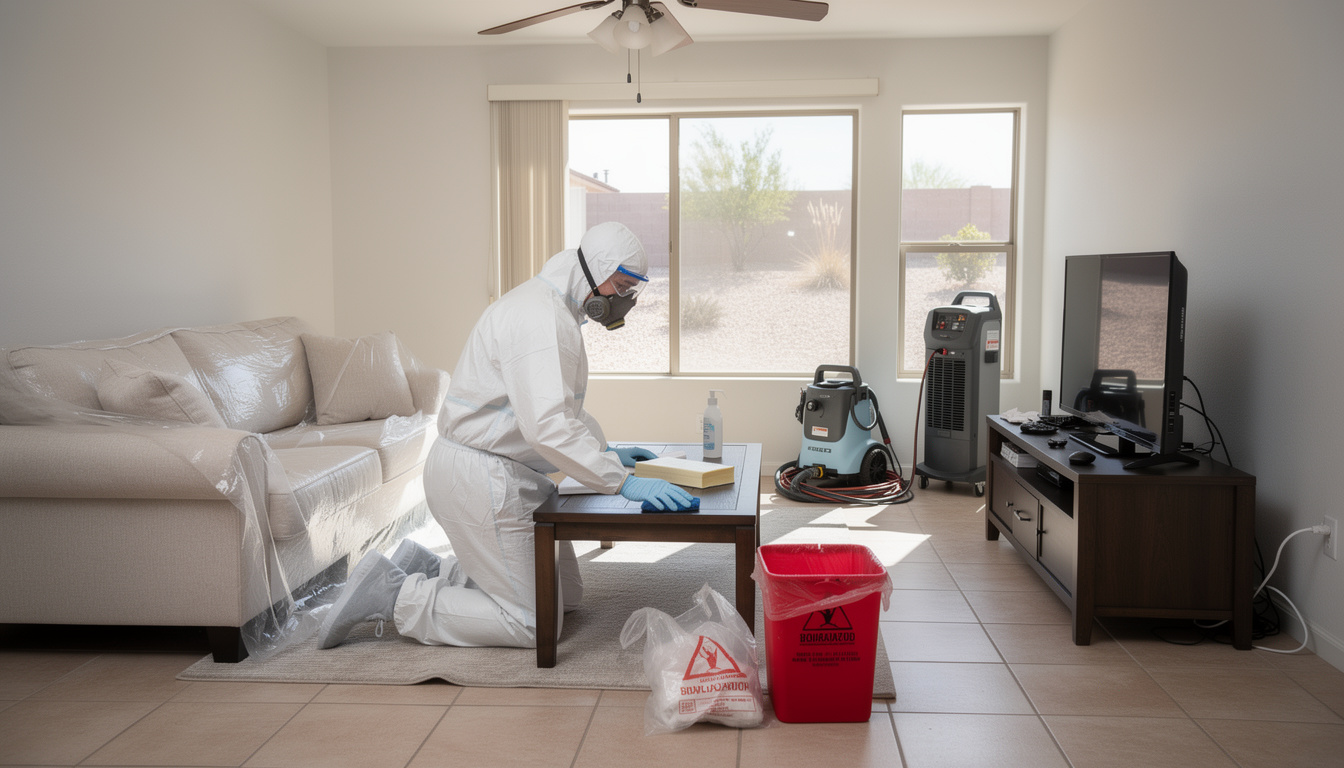
Certified restoration teams wear personal protective equipment (PPE), use hospital-grade cleaners, and follow protocols to contain, remove, and properly dispose of hazardous materials. They also use specialized tools for deep cleaning and odor removal.
Is bio cleanup covered by homeowner’s insurance?
Insurance policies vary, but many cover biohazard cleanup if it results from a covered event (like water damage, fire, or crime). It’s best to check with your provider and document the situation as soon as possible.
How soon can a bio cleanup team respond?
Most professional restoration companies aim for rapid response, often within hours of your call. Fast action is important to limit both health risks and property damage.
If you suspect a biohazard situation in your Yuma or nearby home, don’t wait. Contact Mint Restoration for an assessment and let experienced professionals handle the cleanup, so you can rest assured your home is safe again.
