Tips for Hiring a Reliable Disaster Restoration Contractor
When disaster strikes your home, whether from fire, water, mold, or other unexpected events, finding a trustworthy restoration contractor can feel overwhelming. The right team can make all the difference in getting your house back to normal quickly and safely. Here are some important questions to consider when choosing a disaster restoration contractor.
How Do I Know If a Contractor Is Qualified for Restoration Work?
Restoration work is different from general remodeling or construction. It often involves handling hazardous materials like mold, asbestos, or even meth contamination. Ask the contractor about their experience with your specific problem. Are they familiar with local building codes and safety requirements in places like Yuma? A capable restoration crew should be able to explain the steps they'll take to fix your particular situation, from water removal and drying to smoke odor elimination or safe handling of debris.
What Should I Look for During the Initial Inspection?
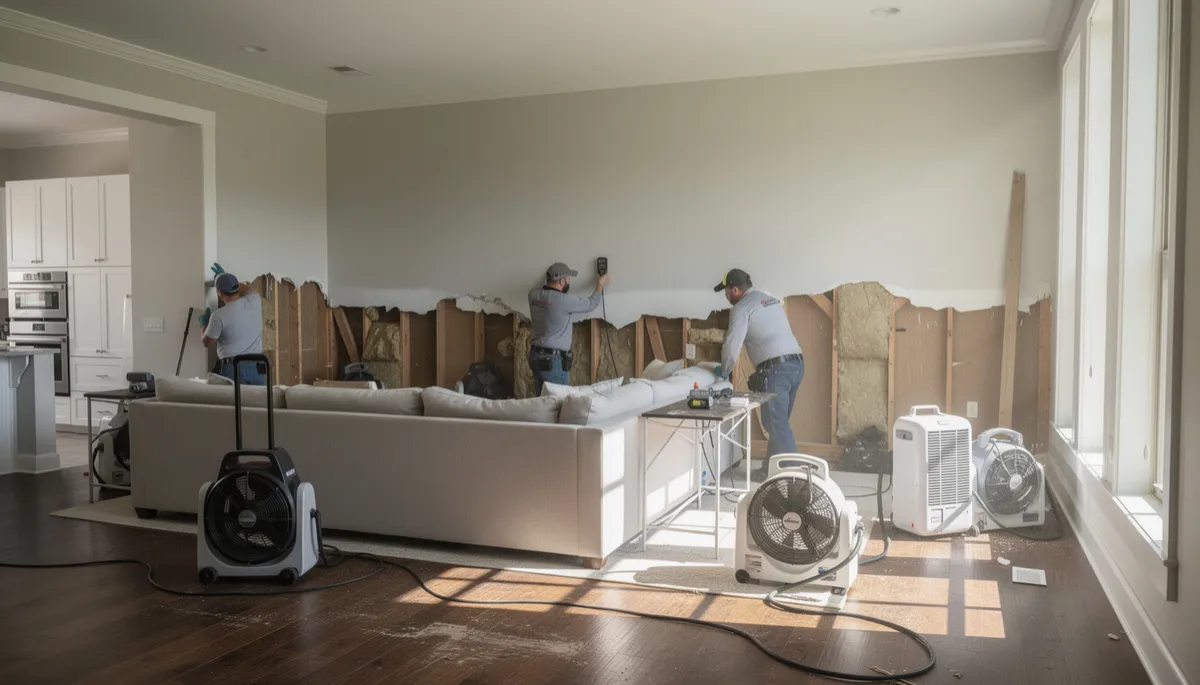
A reliable contractor starts with a thorough inspection of the damage. Watch for signs that they’re paying close attention: measuring moisture levels, checking behind walls, and inspecting attics or crawl spaces if needed. They should talk through what they’re finding and suggest practical solutions, not just offer a quick fix. Be wary of anyone who rushes through or overlooks key areas—missed damage can lead to bigger problems later on.
How Do Restoration Contractors Estimate the Scope and Cost?
After the inspection, a contractor should provide a detailed scope of work. This should break down what needs to be done—like tearing out water-damaged drywall, treating for mold, or packing out contents for cleaning and storage. Ask them to explain each step and why it’s necessary. A transparent estimate helps you understand what you’re paying for and sets clear expectations. Don’t be afraid to ask questions if something isn’t clear.
How Can I Tell If They’ll Handle My Belongings With Care?
During restoration, your furniture, clothes, and keepsakes may need to be packed out or cleaned. A good contractor should describe how they’ll inventory, pack, and store your items to prevent further damage. It’s a bonus if they take photos or keep a detailed list of everything moved. If you have special items—like antiques or important documents—ask how those will be handled.
What Communication Should I Expect Throughout the Project?
Disaster restoration projects can take days or weeks, depending on the damage. Regular updates are important. Ask how often you’ll get progress reports and who your main point of contact will be. A reliable contractor will keep you in the loop, discuss any surprises that come up, and get your approval before making significant changes to the plan.
How Do They Handle Hazardous Materials and Cleanup?
Working with fire, water, or mold often means dealing with hazardous materials. Ask how your contractor manages things like asbestos, mold spores, or even biohazards. They should follow strict safety protocols, use the right equipment, and dispose of materials properly. Make sure they explain what you can expect in terms of odors, dust, or noise during cleanup, especially if you plan to stay in your home during the work.
Frequently Asked Questions
How soon should I call a restoration contractor after a disaster?
It’s best to reach out as soon as you can safely do so. Quick action helps limit further damage from water, smoke, or mold. Most contractors can provide emergency services, even after hours.
Will my insurance cover restoration work?
Many restoration projects are covered by homeowners insurance, but coverage varies by policy and the cause of damage. A good contractor can help document the damage for your claim and may communicate directly with your insurance adjuster.
Can I stay in my house during restoration?
It depends on the extent of the damage and the type of work needed. For minor repairs, it may be possible. For major water, fire, or mold jobs, you might need to arrange temporary housing for safety and comfort.
How long does restoration usually take?
The timeline depends on the amount of damage and the services required. Simple cleanups may take a few days, while larger reconstruction or mold remediation jobs can last weeks. Your contractor should give you a realistic schedule up front.
If you’re facing damage from fire, water, or mold in the Yuma area, don’t hesitate to reach out to a local restoration professional. The right contractor will help guide you through every step, making the process as smooth and stress-free as possible.
