Mint Restoration
Unleashing the Greatness of Building Restoration
RECENT ARTICLES
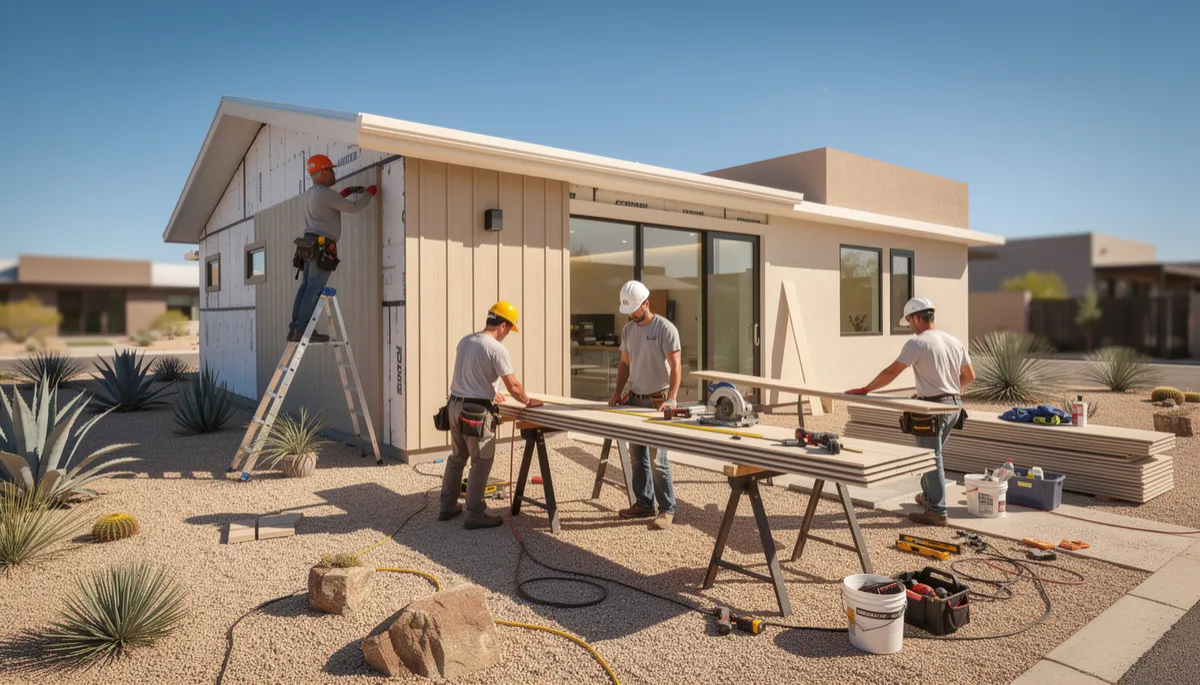
How to Choose Fire-Resistant Materials for Your Home
Fire safety is a key concern for any homeowner, especially here in the Southwest where the climate can be hot and dry. Choosing the right materials for your home can help reduce damage if a fire does happen. Whether you’re building new, remodeling, or repairing after damage, knowing your options can make a big difference in your home’s safety and resilience. Below are answers to some common questions homeowners have about selecting fire-resistant materials.
What Are the Best Fire-Resistant Materials for Home Exteriors?
Exterior materials are your home’s first line of defense against fires. Masonry products like brick, stone, and stucco are among the most fire-resistant because they don’t burn, and they can help slow the spread of fire. Fiber-cement siding is another good option, as it’s made from a mix of cement, sand, and cellulose fibers. It doesn’t ignite easily and can withstand high temperatures. For those who prefer wood, look for materials that are treated with fire retardants, but keep in mind they still don’t offer the same protection as masonry or fiber-cement options. If you’re in the process of restoring or remodeling your home’s exterior in Yuma, consider these materials for added safety.
Which Roofing Materials Stand Up Best to Fire?
The type of roof you install plays a big role in fire protection. Metal roofing is highly resistant to fire and also reflects heat, which is a bonus in our sunny climate. Clay and concrete tiles are also excellent; they’re non-combustible and have a long lifespan. Asphalt shingles are common, but not all are created equal—look for shingles rated Class A, which means they offer the highest fire resistance available for asphalt products. Avoid untreated wood shakes or shingles, as these can ignite easily. If you’re replacing a roof after fire or wind damage, it’s a good time to upgrade to a more fire-resistant material.
How Can I Protect My Home’s Windows and Doors from Fire?
Windows and doors are potential weak spots in the event of a fire. Fire-rated glass, such as tempered or multi-pane glass, can help prevent breakage and slow the spread of flames into your home. Metal frames for both windows and doors provide more resistance than wood or vinyl. For doors, solid-core or metal-clad options are best. Installing fire-rated doors between living spaces and garages can also help contain a fire and give you more time to respond.
What About Interior Materials Like Walls and Floors?
For walls, using Type X gypsum board (also known as fire-rated drywall) in key areas, such as garages or utility rooms, can add a valuable layer of protection. This drywall is specifically designed to hold up longer in high heat. For flooring, tile, stone, and concrete are the most fire-resistant. Hardwood and laminate can be treated with fire-retardant coatings, but these treatments only slow burning—they don’t make wood floors fireproof. Carpets made from wool are more fire-resistant than synthetic fibers, but any carpet can catch fire if exposed to direct flames for long enough.
Does Landscaping Material Matter for Fire Resistance?
Landscaping often gets overlooked, but the materials and plants around your home can impact fire risk. Gravel, stone, or concrete walkways and patios don’t burn and can act as a buffer. Keep mulch and wood chips a safe distance from your home, as they can ignite if embers land on them. Choose plants with high moisture content and keep them well-watered. Regularly clear dry leaves, pine needles, and debris from your yard, roof, and gutters, especially during fire season in the Yuma area.
Frequently Asked Questions
Will fire-resistant materials make my home completely fireproof?
No material can make a home completely fireproof, but using fire-resistant materials greatly reduces the risk of ignition and slows the spread of fire. This gives you and emergency services more time to respond and can significantly limit the damage.
Is it expensive to use fire-resistant materials?
Some fire-resistant materials can cost more upfront, like masonry or metal roofing, but they often last longer and may reduce repair costs after a disaster. It’s worth weighing the initial investment against potential savings in the long run.
Can I retrofit fire-resistant materials in an existing home?
Yes, many fire-resistant materials can be installed during renovations or repairs. For example, you can replace siding, upgrade roofing, or add fire-rated drywall. If you’re repairing after fire or water damage, it’s a good opportunity to make these upgrades.
Does insurance require fire-resistant materials?
Insurance policies vary, but some providers may offer discounts or incentives for homes built or renovated with fire-resistant materials. It’s a good idea to check with your provider and see what options are available to you in Yuma.
If you have questions about fire damage, restoration, or choosing the right materials to protect your home, feel free to reach out to Mint Restoration. We’re here to help homeowners in Yuma and the surrounding area stay safe and prepared.

Google Reviews


What Sets Us Apart
Mint Restoration is dedicated to upholding the highest standards of integrity and quality in every project.
We specialize in restoring and preserving the architectural integrity of each building, ensuring superior craftsmanship.
At Mint Restoration, our clients' satisfaction is our top priority. We understand the importance of our clients' investments,
and we strive to exceed their expectations with exceptional service and personal attention to every detail.
Our team consists of certified restoration experts with extensive knowledge and experience in building restoration.
We ensure all projects meet industry standards and preserve the historical accuracy and structural integrity of each building.
We use the highest quality materials tailored to building restoration, collaborating with top suppliers to ensure durability and aesthetics.
Our approach combines traditional techniques with modern technology to achieve the best results.
SMS terms are described in our Privacy Policy.
🔒 Your privacy is our priority. We encrypt your data and never share it with third parties.
GET STARTED NOW (928) 783-5663

GET A QUOTE
OPENING HOURS
Mon - Fri: 8:00 - 4:00 pm
Sat - Sun: closed
Emergency services: 24/7
© Copyright 2026 Mint Restoration. All Rights Reserved. - Privacy Policy - Terms & Conditions - DMCA
Website built by ClientSwing