Mint Restoration
Unleashing the Greatness of Building Restoration
RECENT ARTICLES
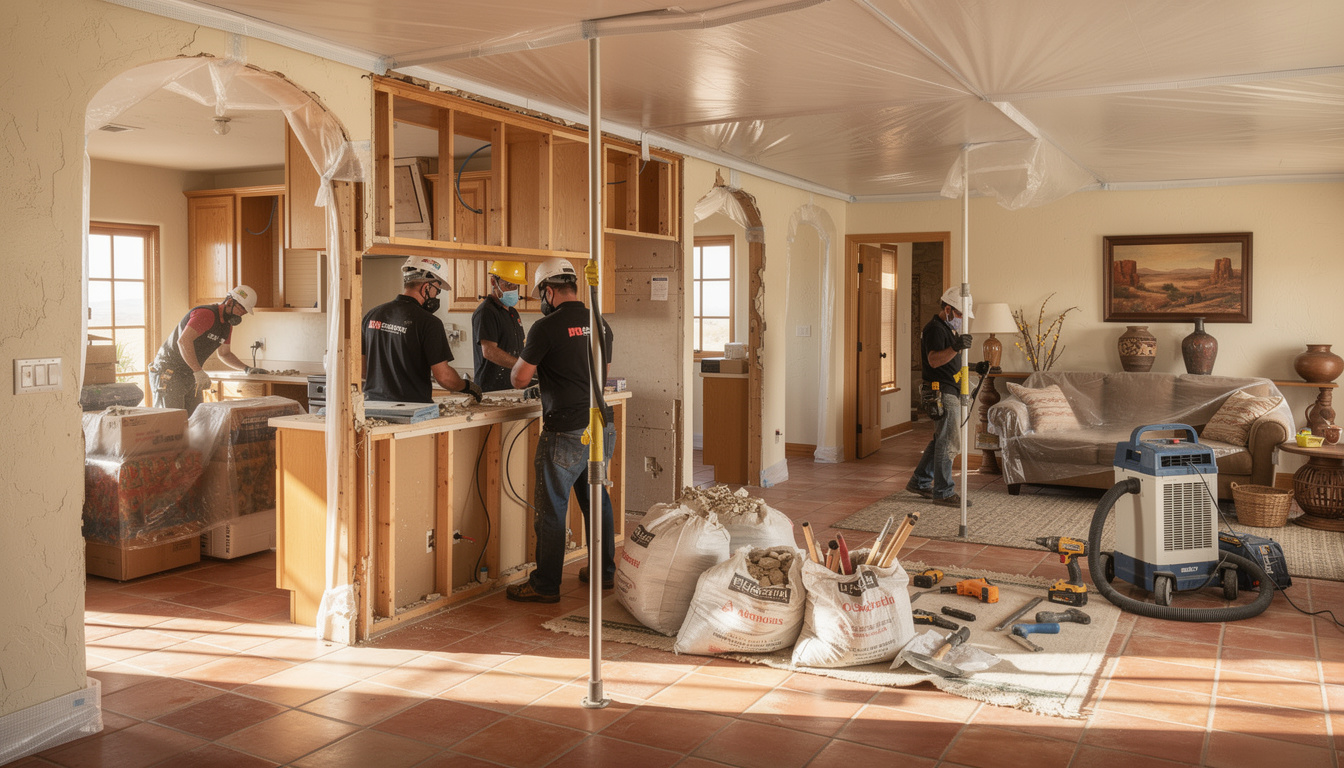
Understanding the Demolition Process for Home Remodeling
If you’re planning a major home remodel, demolition is often the first big step. Whether you’re opening up space, removing damaged materials, or prepping for a full rebuild, understanding the demolition process can help you make informed decisions and avoid surprises. Here’s what homeowners in the Yuma area should know before the walls start coming down.
What Happens During the Demolition Phase?
Demolition isn’t just swinging a sledgehammer—there’s a method to every part of it. Demolition crews assess the structure, identify what needs to go, and carefully remove materials without damaging what’s meant to stay. This can include taking down walls, tearing up flooring, or removing fixtures and cabinetry. In homes with issues like water, fire, or mold damage, demolition often targets only the affected areas to keep the rest of your home safe and clean.
How Do Professionals Prepare for Demolition?
Preparation is key to a smooth demolition. First, contractors will walk through your home to mark what stays and what goes. They’ll also check for any hazardous materials like asbestos or signs of mold. Utilities such as water, electricity, and gas are shut off or rerouted to avoid accidents. The work area is sealed off with plastic sheeting or barriers to contain dust and debris. If you’re staying in your home during the project, pros will make sure you can still access necessary spaces and keep the site as tidy as possible.
What Safety Precautions Are Taken During Demolition?
Safety is always the top priority. Crews wear protective gear, including respirators, gloves, and goggles, especially if there’s a risk of exposure to mold, asbestos, or lead paint. The area is ventilated to help clear out dust and fumes. Heavy-duty tools and machinery are used only by trained staff. If hazardous materials are found, certified technicians handle their removal following strict guidelines. Contractors also keep a close eye on the structural integrity of your home to make sure nothing collapses unexpectedly.
How Is Debris Managed and Removed?
Demolition creates a lot of mess, but professionals have a plan for keeping it under control. Debris is sorted into categories: recyclable materials, hazardous waste, and landfill items. Large pieces are broken down for easier transport, and dumpsters or collection bins are placed nearby for efficient removal. A good crew will keep walkways clear and dispose of everything responsibly, often making several trips to local disposal sites as the job progresses. After demolition, the area is cleaned and prepped for the next phase of your remodeling project.
When Is Selective Demolition Needed?
Selective demolition means taking out only certain parts of a structure—like a single wall, damaged flooring, or just the water-logged drywall after a flood. This approach is common after fire, water, or mold damage. It allows you to salvage as much of your property as possible while making way for repairs. Selective demolition requires a careful eye for detail and experience identifying what’s safe to keep and what needs to go.
What Surprises Can Come Up During Demolition?
Older homes, especially in places like Yuma, sometimes have hidden challenges. Crews may uncover outdated wiring, plumbing issues, or hidden mold once walls come down. Occasionally, structural problems show up that weren’t visible before. That’s why it’s important to work with an experienced team who can adapt quickly and communicate clearly if extra work or changes are needed mid-project.
Frequently Asked Questions
Can I stay in my home during demolition?
In many cases, you can remain in your home while demolition is underway, especially if the work area can be sealed off. However, for larger jobs or if there are health concerns like asbestos or extensive mold, you may need to temporarily relocate. Your contractor will advise what’s safest for your situation.
How long does demolition usually take?
The timeline depends on the size and complexity of the job. Removing a single wall might take a day or two, while gutting an entire area could take a week or more. Surprises like hidden damage can add time, but your crew should keep you updated throughout the process.
What should I remove from the work area beforehand?
Clear out personal belongings, valuables, and anything you want to keep from the demolition zone. Contractors will usually handle large items and fixtures, but smaller items, electronics, and fragile things should be relocated by the homeowner.
Is dust control really necessary?
Absolutely. Demolition creates a lot of dust, which can spread throughout your home and even affect air quality. Pros use barriers, negative air machines, and thorough cleaning to minimize dust and keep your living spaces comfortable.
If you’re considering a home remodel or restoration in Yuma or nearby, understanding the demolition process is the first step to a smooth project. For questions about your specific situation or to schedule an assessment, reach out to a local restoration professional for practical, honest advice.

Google Reviews


What Sets Us Apart
Mint Restoration is dedicated to upholding the highest standards of integrity and quality in every project.
We specialize in restoring and preserving the architectural integrity of each building, ensuring superior craftsmanship.
At Mint Restoration, our clients' satisfaction is our top priority. We understand the importance of our clients' investments,
and we strive to exceed their expectations with exceptional service and personal attention to every detail.
Our team consists of certified restoration experts with extensive knowledge and experience in building restoration.
We ensure all projects meet industry standards and preserve the historical accuracy and structural integrity of each building.
We use the highest quality materials tailored to building restoration, collaborating with top suppliers to ensure durability and aesthetics.
Our approach combines traditional techniques with modern technology to achieve the best results.
SMS terms are described in our Privacy Policy.
🔒 Your privacy is our priority. We encrypt your data and never share it with third parties.
GET STARTED NOW (928) 783-5663

GET A QUOTE
OPENING HOURS
Mon - Fri: 8:00 - 4:00 pm
Sat - Sun: closed
Emergency services: 24/7
© Copyright 2026 Mint Restoration. All Rights Reserved. - Privacy Policy - Terms & Conditions - DMCA
Website built by ClientSwing